

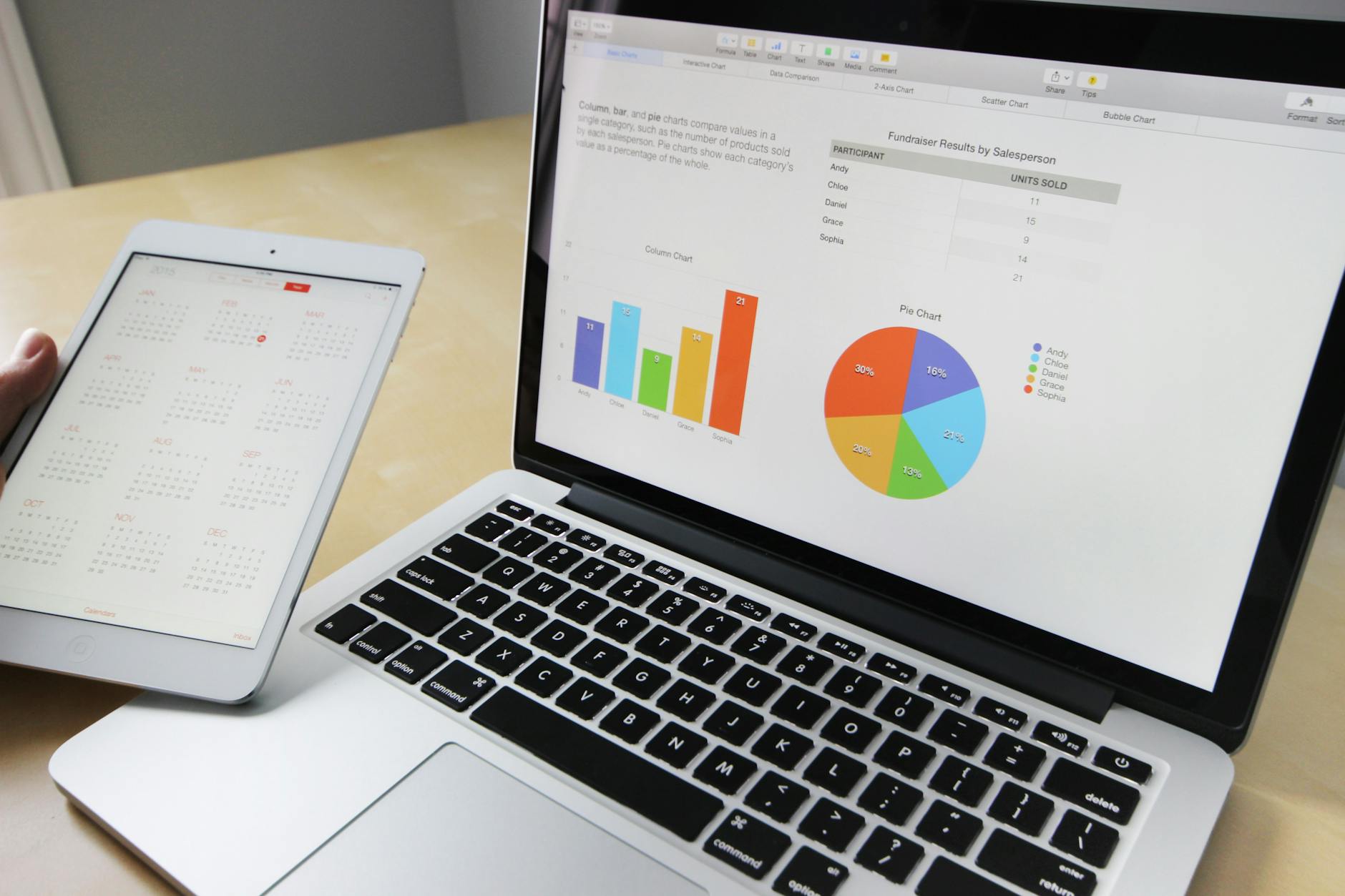
Updates and insights about what is trending regarding how data impacts education can provide valuable information for educators, administrators, and policymakers.
Understanding the latest trends in data utilization within the education sector is crucial for making informed decisions about curriculum development, student performance tracking, and resource allocation.
By staying informed about the evolving landscape of data in education, stakeholders can optimize teaching strategies, identify areas for improvement, and ensure that students receive a high-quality and personalized learning experience.
Furthermore, these updates can shed light on the implementation of data-driven technologies and tools, the impact of big data on educational systems, and the ethical considerations surrounding student data privacy and security.
Therefore, staying abreast of these trends is essential for enhancing the educational journey for both students and educators alike.
Do Dynamic Things with Data
Data in education is more than just numbers on a spreadsheet—it’s a powerful tool that can drive change, disrupt old norms, and close academic achievement gaps across grade levels and subjects. But the challenge lies not in the collection of data, but in its application. What good is data if it doesn’t move us toward action?
Let’s talk about why adults working in education—teachers, administrators, instructional leaders, and consultants—should be doing dynamic things with data.
Disrupting the Status Quo
For too long, educational systems have relied on one-size-fits-all approaches that fail to address the unique needs of every student. By analyzing data at a granular level—looking at student progress by subgroup, monitoring trends over time, and identifying specific areas of growth—we can challenge outdated practices and tailor interventions that work.
Here’s the truth: consistent and intentional use of data has the power to expose inequities that may otherwise remain hidden. When educators act on these insights, they can start closing achievement gaps for all students—not just in math or reading, but across subjects and grade levels.
Consistency and Sustainability: The Key to Real Change
Dynamic action with data isn’t about quick fixes or one-time initiatives; it’s about creating systems that embed data-driven practices into the fabric of education.
This means building professional development opportunities that teach educators how to interpret and act on data. It means equipping school leaders with the tools to measure success and refine strategies over time. Most importantly, it means fostering a culture where data is viewed not as a burden but as an opportunity to grow.
A Call to Action
So, what’s the next step? It’s time for educators to take the reins and make moves with data that are both consistent and sustainable. I challenge you to:
Engage with the data: Dive deep, ask questions, and embrace insights—even if they challenge the status quo.
Collaborate: Share data-driven strategies with colleagues and work together to create systems of equity and excellence.
Act boldly: Use data to guide your decisions and ensure every action is tied to measurable outcomes.
Together, we can use data as a lever for change—not just in classrooms but across entire educational systems. Let’s disrupt, innovate, and elevate. Let’s do dynamic things with data.
Dishing about Data
Curating and joining Data Dialogues is super important for building a solid data culture in schools. These dialogues provide the platform for educators to share insights, best practices, and challenges related to using data effectively in the classroom.
By curating and participating in these dialogues, educational organizations can foster a collaborative environment where teachers, administrators, and staff can learn from each other’s experiences and contribute to a culture of continuous improvement.
Additionally, these conversations help in identifying areas that may need additional support or resources to further enhance the use of data for informed decision-making. Overall, the active engagement in Data Dialogues can significantly contribute to creating a data-driven educational community.
Data by Design
Take a moment to reflect on where you are regarding Data Culture and your educational organization. Where does your organization fit on the Data Culture progression?
Consider the current state of data utilization, analysis, and understanding within your educational institution. Reflect on the extent to which data is integrated into decision-making processes, teaching methodologies, and learning outcomes.
Explore the existing data literacy among staff and students, and assess the readiness for a data-driven culture. Delve into the potential opportunities and challenges in fostering a robust data culture and identity areas for improvement.
Understanding the current position of your educational organization in the Data Culture progression is key to developing strategies for enhancing data-driven practices and leveraging the full potential of available data resources.
 Educational Journeys with Dr. Jones, a Thrive & Flourish Collective, LLC